





Real Estate Industry Outlook 2023: A Comprehensive Analysis
Contents |
[edit] Introduction
In this article, we will delve into the current state of the real estate market, explore the emerging trends, and provide valuable insights to help you navigate this dynamic industry. Whether you are a real estate professional, investor, or simply interested in the market, this guide will equip you with the knowledge you need to make informed decisions.
[edit] The State of the Real Estate Industry
[edit] Economic Factors Shaping the Market
The real estate industry is greatly influenced by various economic factors. In 2023, we expect to see continued growth and stability in the global economy, which will positively impact the real estate market. Low interest rates, favourable government policies, and increased consumer confidence are all contributing to the industry's growth.
[edit] Market Performance and Forecast
The real estate market has experienced steady growth over the past few years, and this trend is expected to continue in 2023. According to industry experts, the global real estate market is projected to reach new heights, with increased demand for residential and commercial properties.
[edit] Residential Real Estate Market
In the residential sector, the market is witnessing a surge in demand for affordable housing options, driven by population growth, urbanisation, and changing lifestyles. Developers are focusing on creating sustainable and technologically advanced housing solutions to meet the evolving needs of homebuyers.
[edit] Commercial Real Estate Market
The commercial real estate market is also poised for growth in 2023. With the rise of remote work and flexible office spaces, there is a shift in demand for commercial properties. Co-working spaces and shared office concepts are gaining popularity, providing opportunities for investors and businesses alike.
[edit] Technology Disruption in Real Estate
Advancements in technology are reshaping the real estate industry. From virtual tours and online property listings to blockchain-based transactions, technology is streamlining processes and improving efficiency. In 2023, we can expect further integration of artificial intelligence, big data analytics, and smart home automation in the real estate sector.
[edit] Emerging Trends in the Real Estate Industry
[edit] Sustainability and Green Building Practices
Sustainability has become a key focus in the real estate industry. Developers are incorporating green building practices, such as energy-efficient designs, renewable energy sources, and waste reduction strategies. The demand for eco-friendly properties is on the rise as consumers prioritise environmental responsibility.
[edit] Rise of Smart Cities
Smart cities are the future of urban development. These cities leverage technology to optimise resources, enhance infrastructure, and improve the quality of life for residents. With the integration of IoT devices, smart grids, and intelligent transportation systems, real estate projects within smart cities are gaining traction among investors.
[edit] Shift towards E-commerce and Last-Mile Warehousing
The exponential growth of e-commerce has triggered a surge in demand for last-mile warehousing facilities. As consumers increasingly rely on online shopping, companies are strategically locating warehouses near urban areas to ensure fast and efficient deliveries. This trend presents opportunities for real estate investors to capitalise on the demand for logistics properties.
[edit] Rise of Alternative Real Estate Assets
Investors are diversifying their portfolios by exploring alternative real estate assets. These include student housing, co-living spaces, data centres, and healthcare facilities. These niche sectors offer attractive returns and are driven by evolving demographics and changing consumer preferences.
[edit] Real Estate Industry Outlook 2023
In 2023, the real estate industry is expected to witness robust growth and continued innovation. With a strong global economy, favourable market conditions, and technology-driven advancements, the sector offers promising opportunities for investors, developers, and consumers.
[edit] FAQs (Frequently Asked Questions)
- Q: What factors are driving the growth of the real estate industry in 2023?
- A: The growth of the real estate industry in 2023 is driven by factors such as a strong global economy, low interest rates, favourable government policies, and increased consumer confidence.
- Q: What are some emerging trends in the real estate industry?
- A: Some emerging trends in the real estate industry include sustainability and green building practices, the rise of smart cities, the shift towards e-commerce and last-mile warehousing, and the rise of alternative real estate assets.
- Q: How is technology disrupting the real estate industry?
- A: Technology is disrupting the real estate industry by streamlining processes, improving efficiency, and introducing new ways of buying, selling, and managing properties. Virtual tours, online listings, and blockchain-based transactions are some examples of technological advancements in the sector.
- Q: What are smart cities and how do they impact the real estate market?
- A: Smart cities are urban areas that leverage technology to optimise resources, enhance infrastructure, and improve the quality of life for residents. The development of smart cities impacts the real estate market by creating opportunities for investment in technologically advanced and sustainable real estate projects.
- Q: Which alternative real estate assets are gaining popularity in 2023?
- A: Alternative real estate assets gaining popularity in 2023 include student housing, co-living spaces, data centres, and healthcare facilities. These niche sectors offer attractive returns and cater to evolving demographics and consumer preferences.
- Q: What can we expect from the real estate industry in 2023?
- A: In 2023, the real estate industry is expected to experience robust growth, driven by a strong global economy, favourable market conditions, and technology-driven innovations. Opportunities for investors, developers, and consumers will continue to emerge.
[edit] Conclusion
The real estate industry outlook for 2023 is optimistic, with a positive economic environment and emerging trends shaping the market. Sustainability, technology integration, and the rise of alternative real estate assets are transforming the sector. As the industry continues to evolve, it presents exciting opportunities for those involved. Stay informed, adapt to the changing landscape, and seize the opportunities that lie ahead.
[edit] Related articles on Designing Buildings
- Estate agent.
- Estate agent fees.
- How technology is changing the real estate industry.
- How we should regulate the real estate industry.
- Mortgage.
- Property chain.
- Property development finance.
- Property ownership.
- Property valuation.
- Real estate in the augmented age.
- Real estate investment trust (REIT).
- Stamp duty land tax.
- What is an estate?
- Use class.
- Asset.
- British Property Federation BPF.
- Freehold.
- Glossary of property law terms.
- Housing tenure.
- Land.
- Premises.
- Property rights.
- Real estate.
- Types of building.
Featured articles
Check out some of the best features and news from Designing Buildings as well as key stories from around the web.

Why construction can't afford to ignore the skills gap.
Building Safety Regulator, 19 August

Gill Kernick appointed Independent Chair of Residents’ Panel.
Connecting knowledge, technology and conservation
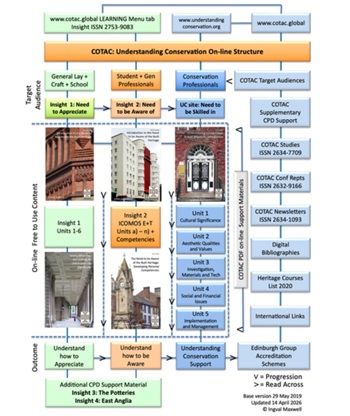
Building competence for the future of built heritage.
Building Regulations and Building Safety Act

CIOB publishes free advice for non-domestic clients.

Building Safety Newsletter from MHCLG.

An extraordinary record of steel engineering worldwide.

Households living near new pylons to save on bills.

ECA warns growth must not outpace grid capacity or skills.
The role of the client and decision making

CIOB response to built environment professions call for evidence.
Construction's sustainability reporting revolution

Tracking upfront embodied carbon with digital tools.
ECA welcomes procurement reforms

Public spending must back British jobs and skills.
Campaigning for Edinburgh: the Cockburn Association 1875-2049

The role of the civic voice in protecting character. Book review.